



 :
:

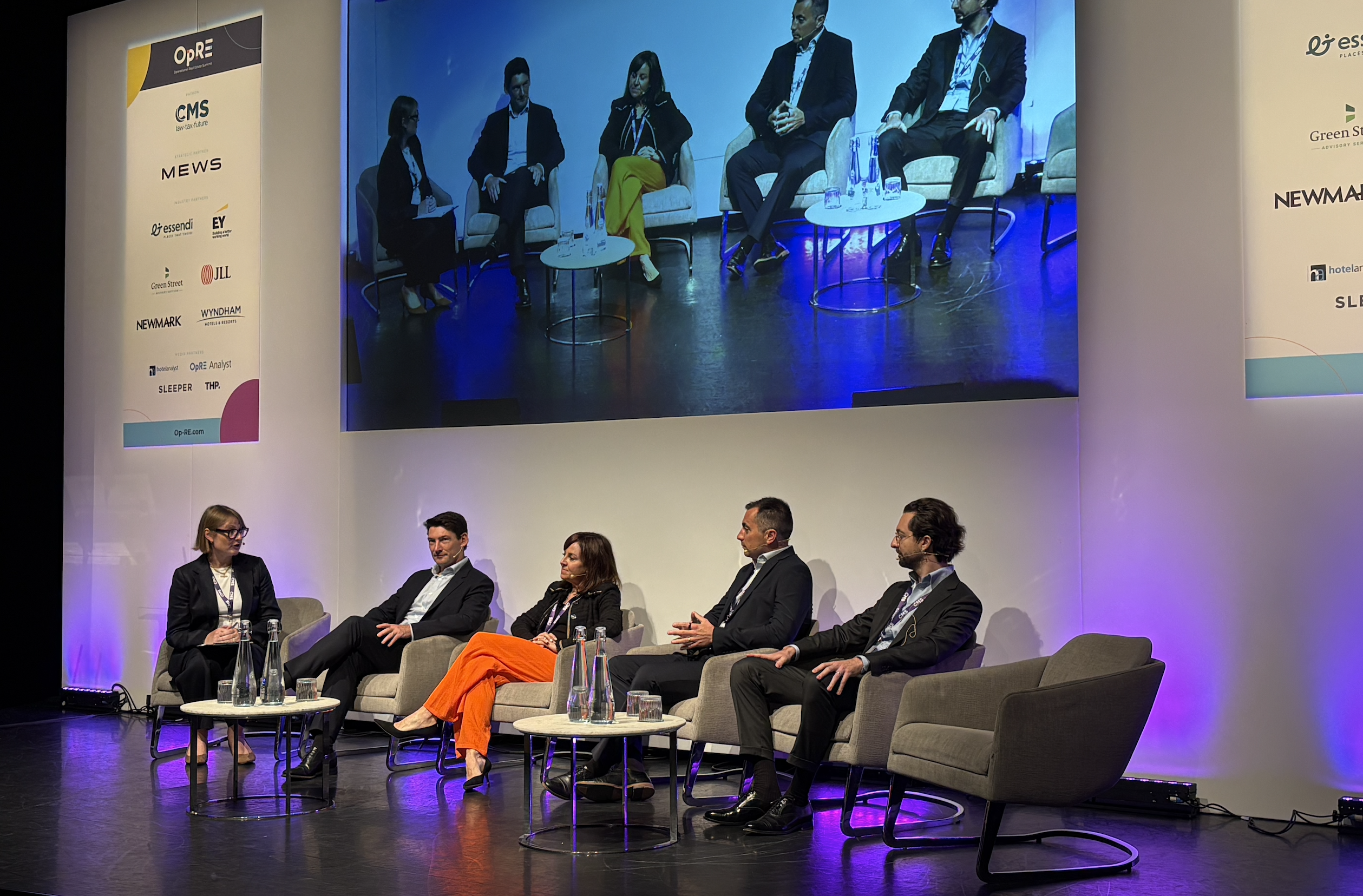
UK: The Operational Real Estate Summit (OpRE26), held on June 23 at the Pullman London St Pancras brought together a highly specialised audience of senior decision-makers, including institutional investors, property owners, financiers, operators, lenders, and expert advisers.
The event addressed the core challenges and opportunities unique to operationally intensive assets including hospitality, build-to-rent (BTR), student accommodation (PBSA), senior living, healthcare and flex workspace.
The day’s agenda highlighted the overarching, macro-driven structural shifts, valuation risks, and strategic direction shaping the sector.
A theme of the conference was the shifting macroeconomic backdrop, detailed by keynote economist Savvas Savouri of QuantMetriks Advisory. His analysis offered an optimistic outlook for the UK economy, arguing that the nation is transitioning away from a decade of post-Brexit structural disruptions and political volatility, stressing the need for an internationalist approach and highlighting trillions of dollars of global capital waiting in the wings to be invested in the UK.
While the overarching macro picture is strong, presentations by Green Street’s Andrew Simmons and JLL’s Kate Peters underscored that granular, sector-specific micro-dynamics dominate operational real estate.
Simmons spoke of the divergence between traditional commercial real estate and operational living asset classes. While offices and generic retail continue to grapple with structural obsolescence, operational asset, particularly student housing and BTR, have strong fundamentals, driven by structural undersupply across major European cities.
Event founder Andrew Sangster presented about how AI is shifting alpha in real estate investment, examining how the boundaries between asset ownership and daily operations have dissolved. The role of building occupier has changed from just paying rent, to actively crating value, said Sangster. As AI becomes more prevalent in real estate investment, human judgement becomes even more important, he said – “the data tells you there is risk, it does not tell you what to do”.
In a session called Opco v Propco, James MacNamara of Schroders Capital said that while real estate investors are deploying capital across a wide range of asset classes, they increasingly want to partner with sector-specific, specialist operators rather than generalist property management companies. Nicolò Benzi of Patron Capital added that the company takes a completely sector-agnostic and geography-agnostic approach to investing.
During the afternoon, the event divided into sector-specific content, with sessions focused on senior living, self-storage, PBSA, flex office and BTR.
The overriding ethos of OpRE26 was that operational real estate has evolved from a niche, alternative asset class into a core, mainstream investment allocation. The historical model of collecting passive rent through long-term upward-only leases is being replaced by flexible, management-led agreements.
Value creation no longer happens at the point of acquisition or through passive financial engineering but long-term performance is dictated by operational excellence, tech integration, and customer insight. Investors who partner with leading operators and maintain a granular focus on property-level cost controls are best positioned to thrive.