



 :

The places where we work should provide more than just a space for doing business – they should be community hubs too, says Jeni Sellick of West Midlands House.
For generations, work was about much more than just earning a wage. Factories, workshops, foundries and offices were historically places where people formed friendships, shared experiences and became part of a wider community. Work not only provided a pay cheque, but a sense of belonging among local community.
The world is a bit different now, an unfortunately, that sense of connection we once found through our work is under threat. Technology has transformed the way we work in so many wonderful ways, but it has also made it easier than ever to work in isolation. Remote and hybrid working offer a huge wealth of benefits, but they can also leave people feeling disconnected from colleagues, peers and local community.
At the same time, loneliness has emerged as one of the most significant social challenges in modern society. We often hear conversations around loneliness focused on older people, but the reality is that it affects individuals of all ages, including entrepreneurs, freelancers and small business owners who spend a lot of their working lives alone.
• Flexible workspaces have a vital role to play
At West Midlands House, we see every day how shared workspaces can help recreate the sense of community that was once a natural part of working life. That feels particularly pertinent in the West Midlands, a region built on industry, innovation and collective ambition.
Throughout history factories, workshops and foundries shaped both the local economy and the social fabric of towns and cities across the region. People didn’t just work together; they built friendships, learned from experienced colleagues and developed a strong sense of identity rooted in shared purpose.
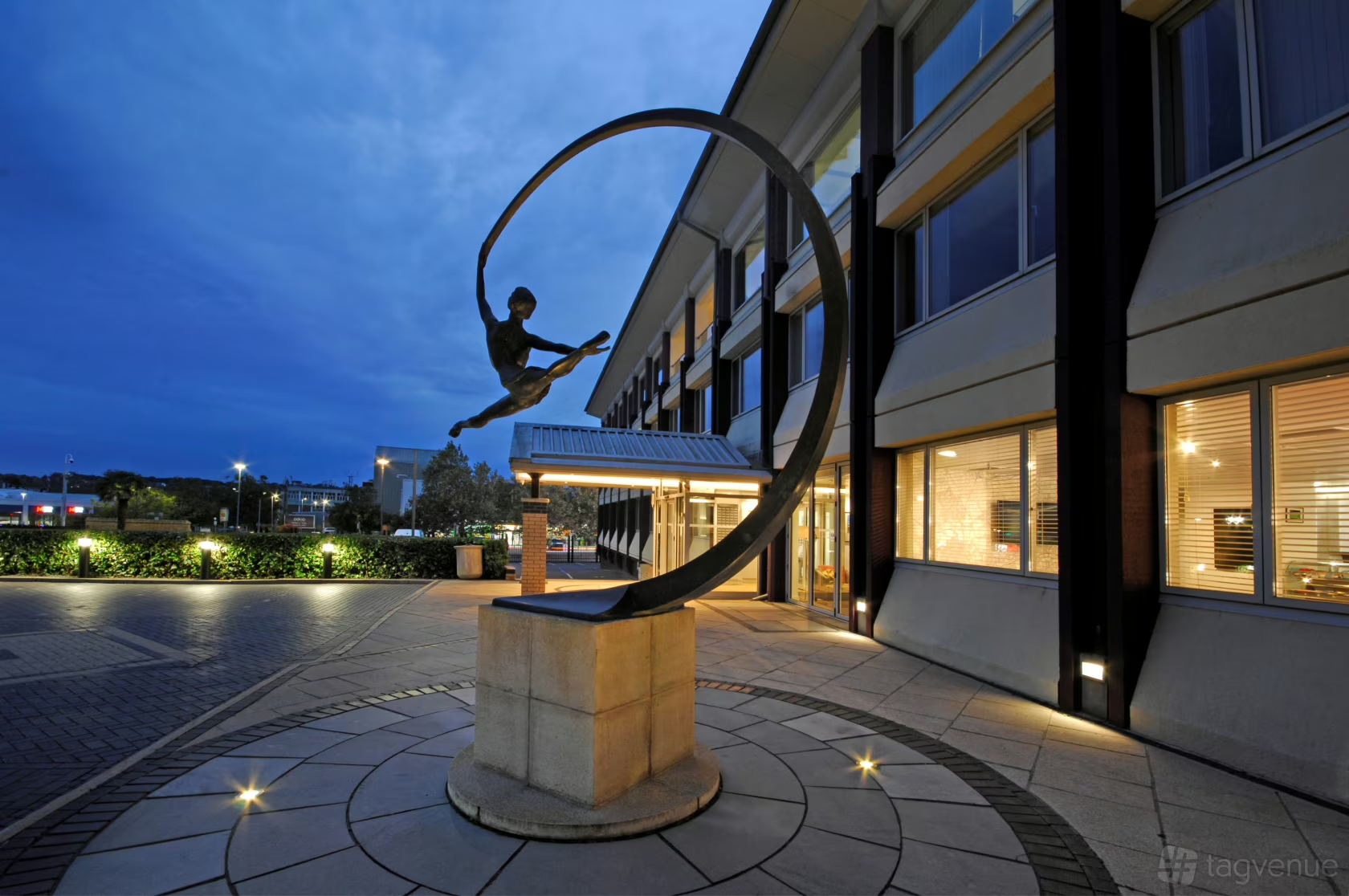
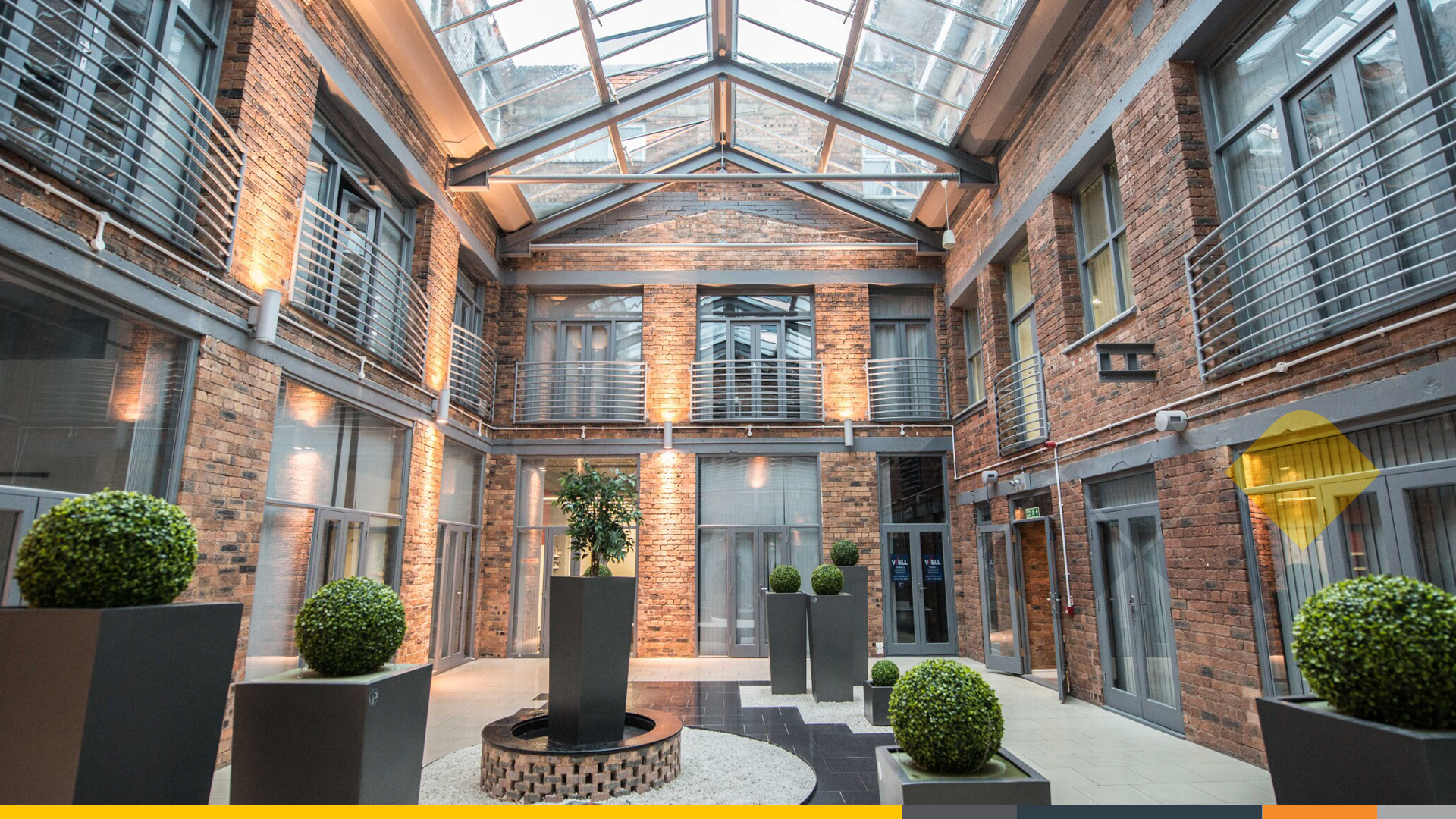
Our own building is part of that rich local story as it was once a factory contributing to the area’s industrial heritage. Today, West Midlands House is home to dozens of businesses from a wide range of sectors. While their products and services may be very different, there are clear echoes of the building’s past. Entrepreneurs, freelancers and growing companies come together under one roof, sharing ideas, making introductions and supporting one another in much the same way that previous generations found connection and camaraderie in the workplaces that helped shape the West Midlands.
In many ways, flexible workspaces are breathing new life into these historic buildings, preserving their original purpose as places where people gather, collaborate and create opportunities together. The best flexible workspaces are places where people exchange ideas, offer advice, celebrate successes and support one another through challenges. Informal conversations over coffee can spark new partnerships. Introductions can lead to new clients. Casual chats can provide solutions to problems that might otherwise take weeks to resolve.
For so many business owners, this type of interaction can be invaluable. Running a business can actually be a rather lonely experience, particularly for sole traders and start-ups. Being surrounded by like-minded people who understand the realities of entrepreneurship creates a support network that extends well beyond the physical workspace itself.
• Creating that environment doesn’t happen by accident
Creating a community requires a genuine commitment to creating moments of connection. Networking events, social gatherings, educational sessions and collaborative activities all help bring people together. You also need to work towards fostering a welcoming culture where people feel comfortable introducing themselves, sharing experiences and asking for help.
It’s also really worth noting that community isn’t only important for the businesses that occupy these spaces. It is equally important for the workspace providers themselves.
The flexible workspace sector has grown so quickly in recent years and operators are facing many of the same challenges as the businesses they support. Creating thriving communities, adapting to changing working patterns and delivering value beyond the workspace itself are all shared priorities. And so of course it’s vital that workspace providers also have access to their own networks of support, knowledge sharing and collaboration.
This is where organisations like the Flexible Space Association (FlexSA) play an important role. West Midlands House is proud to be a member of FlexSA which brings together workspace operators from across the UK to share best practice, discuss industry challenges and learn from one another. Just like flexible workspaces create communities for their members, industry bodies help create a sense of community for workspace providers themselves.
• Past, present and future
The workplaces of the past may have looked very different from today’s flexible workspaces, but they succeeded in creating something many people still crave: a sense of belonging. By placing community at the heart of what they do, us flexible workspace providers can help fill that gap.
The value of simply bringing people together should never be underestimated. In many ways, I think the most important thing a workspace can provide people is an opportunity to feel part of something bigger.