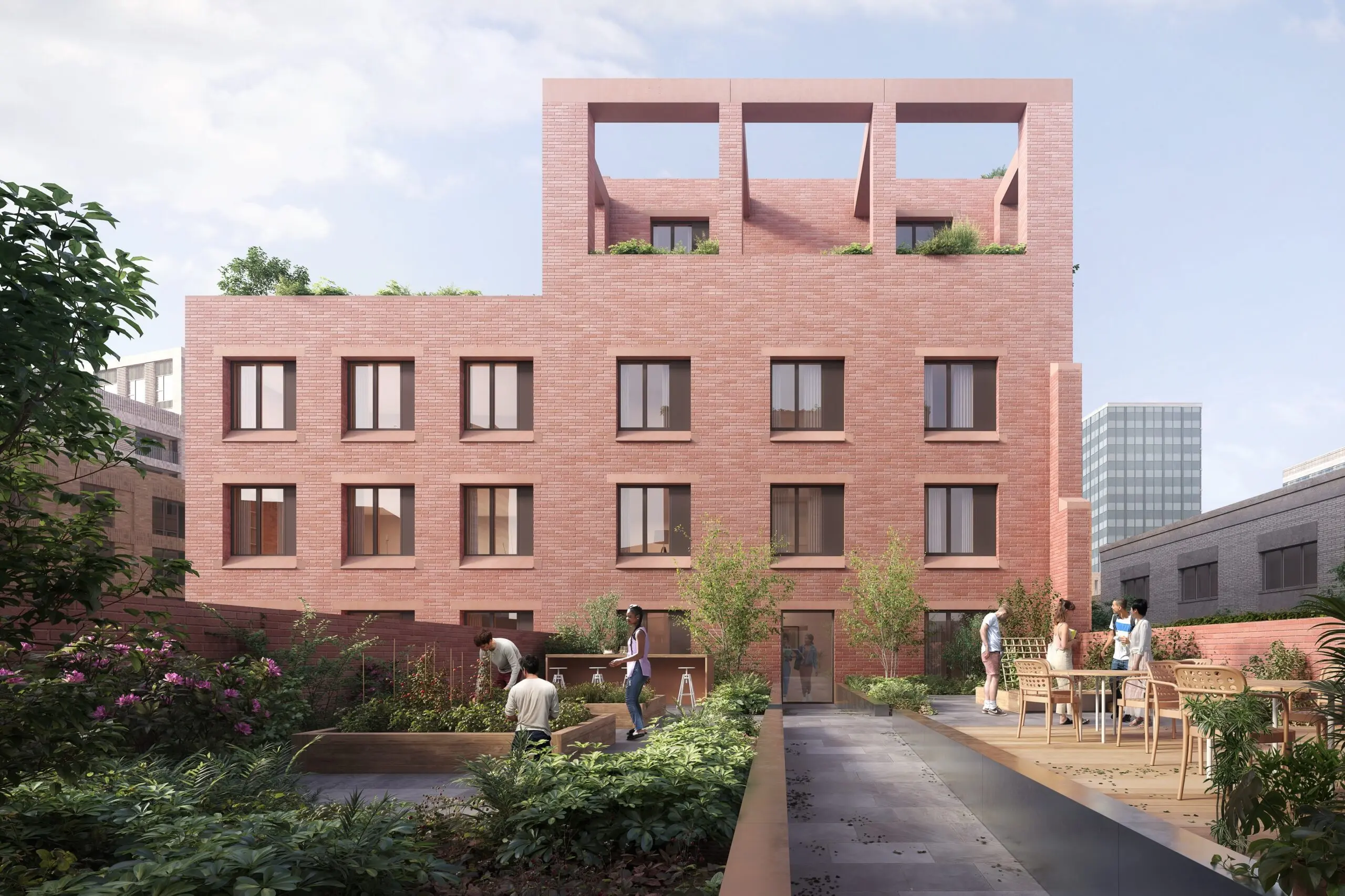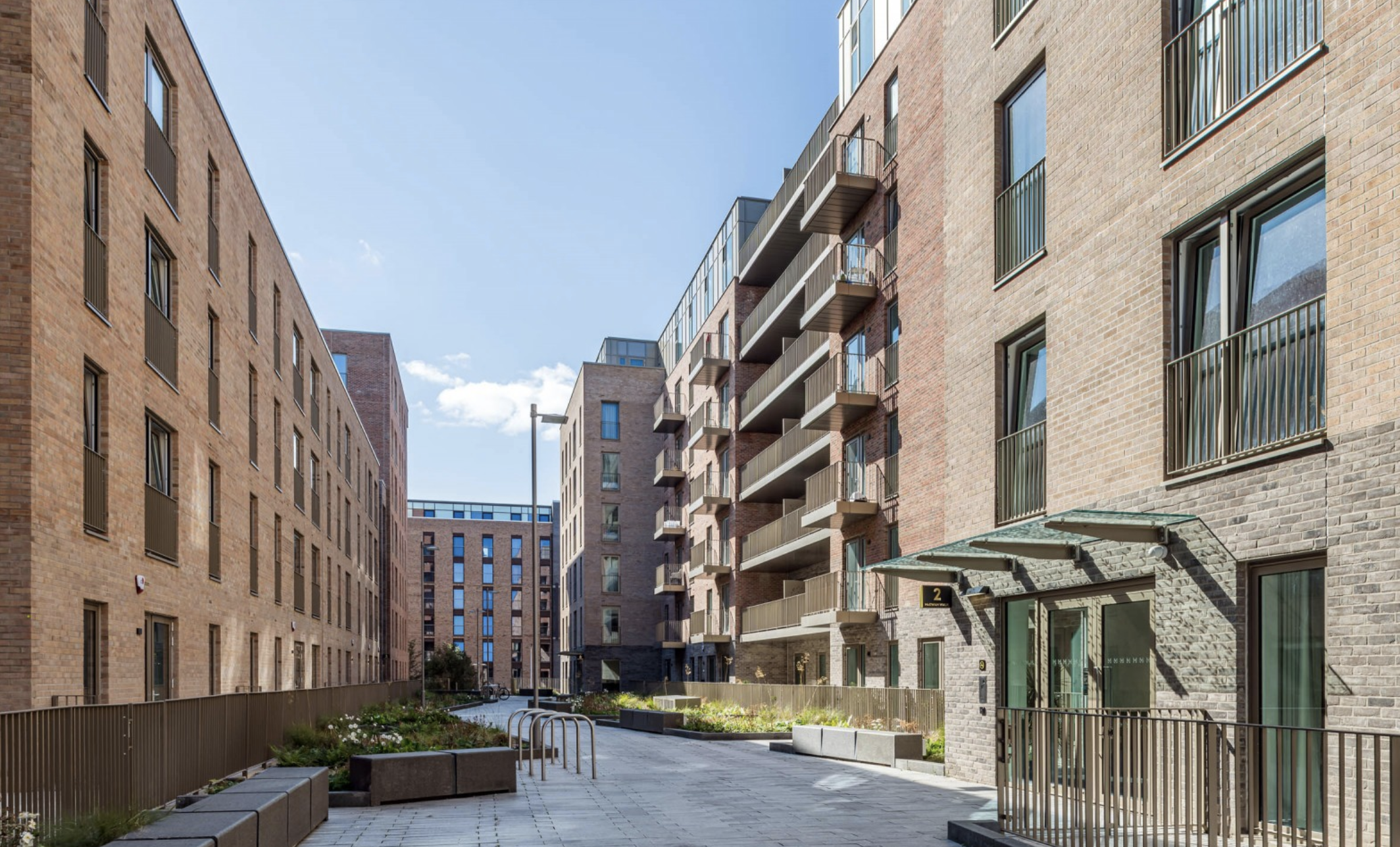




 :
:

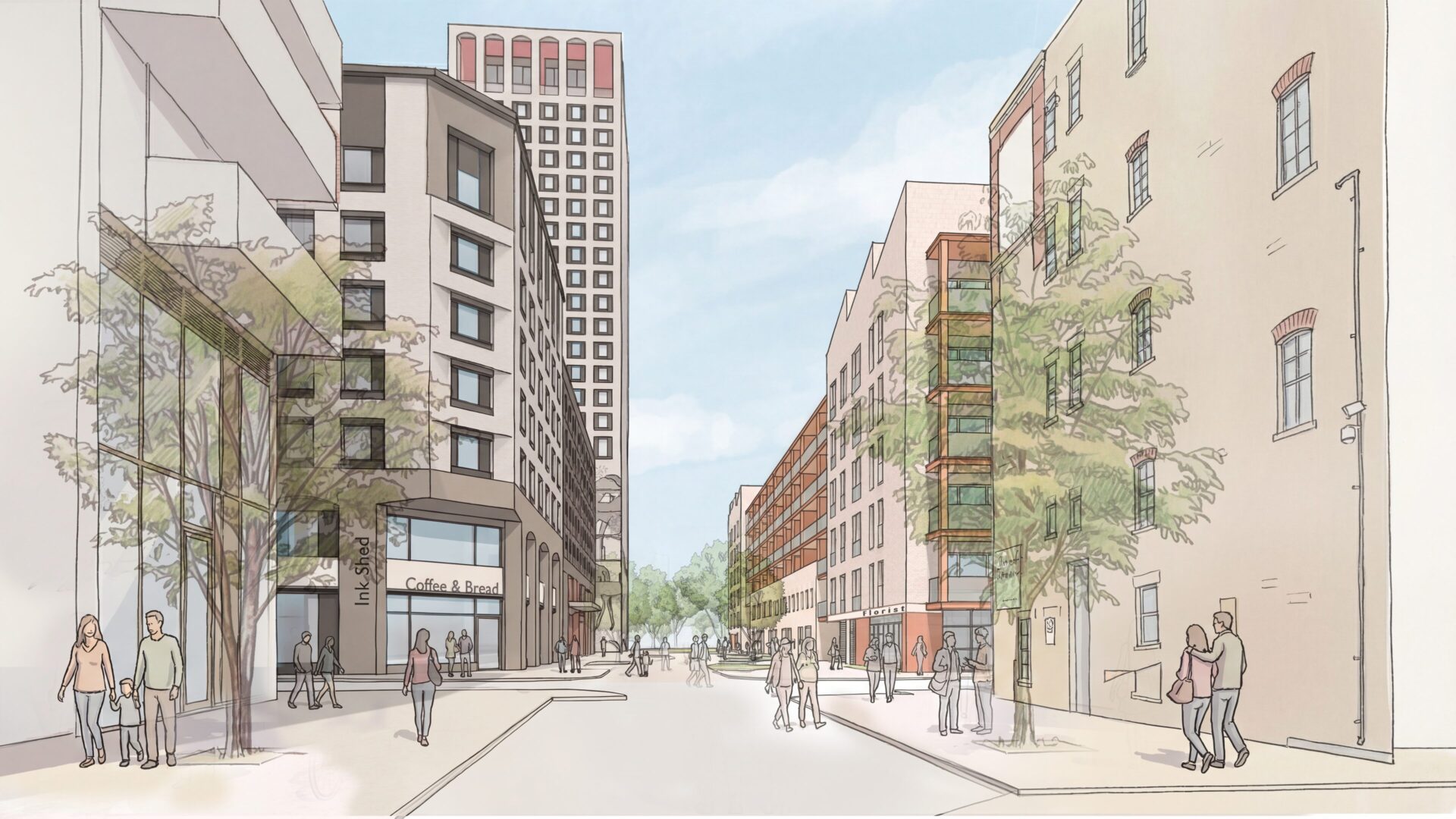
UK: Coliving developer Re:shape has exchanged contracts with Notting Hill Genesis to buy a project in Tottenham Hale, north London, with the potential for up to 1,000 new homes, at least half of which will be coliving units.
Re:shape has bought the remaining parts of the former Ashley House master plan, and it is looking to build a scheme with coliving, social and affordable housing, as well as commercial uses.
The project is split over two sites, one of which will comprise the 520 coliving units, with the other comprising social housing and other uses, which might include living or commercial assets.
The scheme has planning consent for housing for sale, and Re:shape will submit a new planning application. It will also look to work with registered providers to design the social housing element of the scheme at an early stage.
Jonathan Allen, senior director in CBRE’s London living land team, represented Notting Hill Genesis.
Re:shape said that building out the scheme can be profitable, even as worries persist about the viability of building homes in London.
The number of new homes being commenced in London, for rent and for sale, has fallen to generational lows as building and financing costs continue to rise and end values fall. 5,547 homes started in London in 2025, according to data from Molior, compared with 33,782 in 2015. The capital needs about 88,000 new homes per year to meet population growth.
But Re:shape said coliving in particular can stack up even in the current environment, and investors are looking to put money into the sector at scale.
“The lack of opportunity in the land market makes it a good time for us to buy co-living assets, because we’re not competing with student and build-to-rent developers,” said Re:shape investment partner Dan Lutterodt. “They can’t make the numbers work or can’t fund the schemes.”
Re:shape works on the basis that a scheme will be profitable after the cost of taking it through planning, and that the project can also be profitable for a value-add investor to fund the build-out. That is currently the main source of capital for coliving projects in London.
“There is no shortage of capital looking at residential,” Lutterodt said, citing recent investor intention surveys from Investec and Savills, which show coliving rising in popularity. “What there is a shortage of is product that can absorb it at scale. Single assets don’t solve that problem. Platforms do.”
With that in mind, the company is looking for a partner to fund the cost of building out its development pipeline, a process code-named Project Haven.
Savills Capital Advisors was appointed at the end of last year to find a funding partner to provide more than £200 million of equity for four coliving sites: 222 units in London Fields in east London, 425 units in Woolwich in south-east London, 520 units in Wimbledon in south-west London, and 387 units in Homerton in Hackney. The coliving element of Ashley House will be added to the portfolio.
Highlights:
- Re:shape acquires major north London coliving site: Re:shape has agreed a deal with Notting Hill Genesis for a Tottenham Hale scheme in London with potential for up to 1,000 homes, at least half coliving
- Large-scale mixed-use and co-living-led development: The project includes ~520 coliving units, plus social/affordable housing and commercial space, with a new planning application to follow
- Coliving emerging as viable despite London housing slowdown: With housing starts falling sharply, Re:shape highlights coliving as one of the few residential models that remains financially viable in current market conditions
- Institutional capital targeting scalable platforms: investor demand – supported by insights from Savills and Investec – is driving interest in large co-living portfolios rather than single assets
- £200m+ funding push for multi-site pipeline: Re:shape is seeking a partner (via Savills Capital Advisors) to fund a portfolio of coliving developments across London, scaling delivery amid constrained housing supply