



 :
:

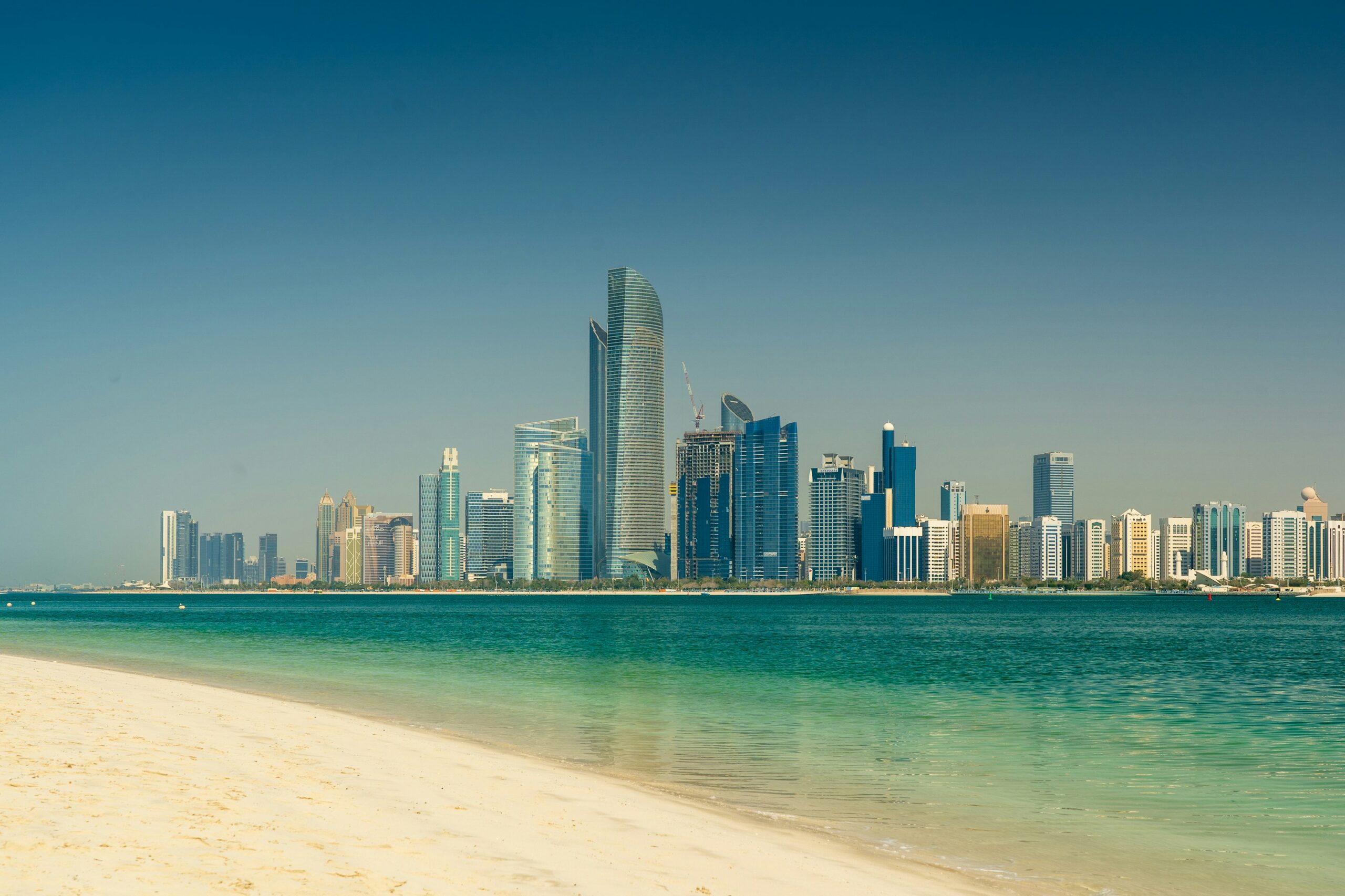
UAE: Student accommodation and senior living are among key assets that represent the GCC’s biggest residential development opportunities.
Other concepts such as serviced living, coliving, private clubs, shared ownership and more will all become important real estate market components in the next decade, according to consultants Cavendish Maxwell.
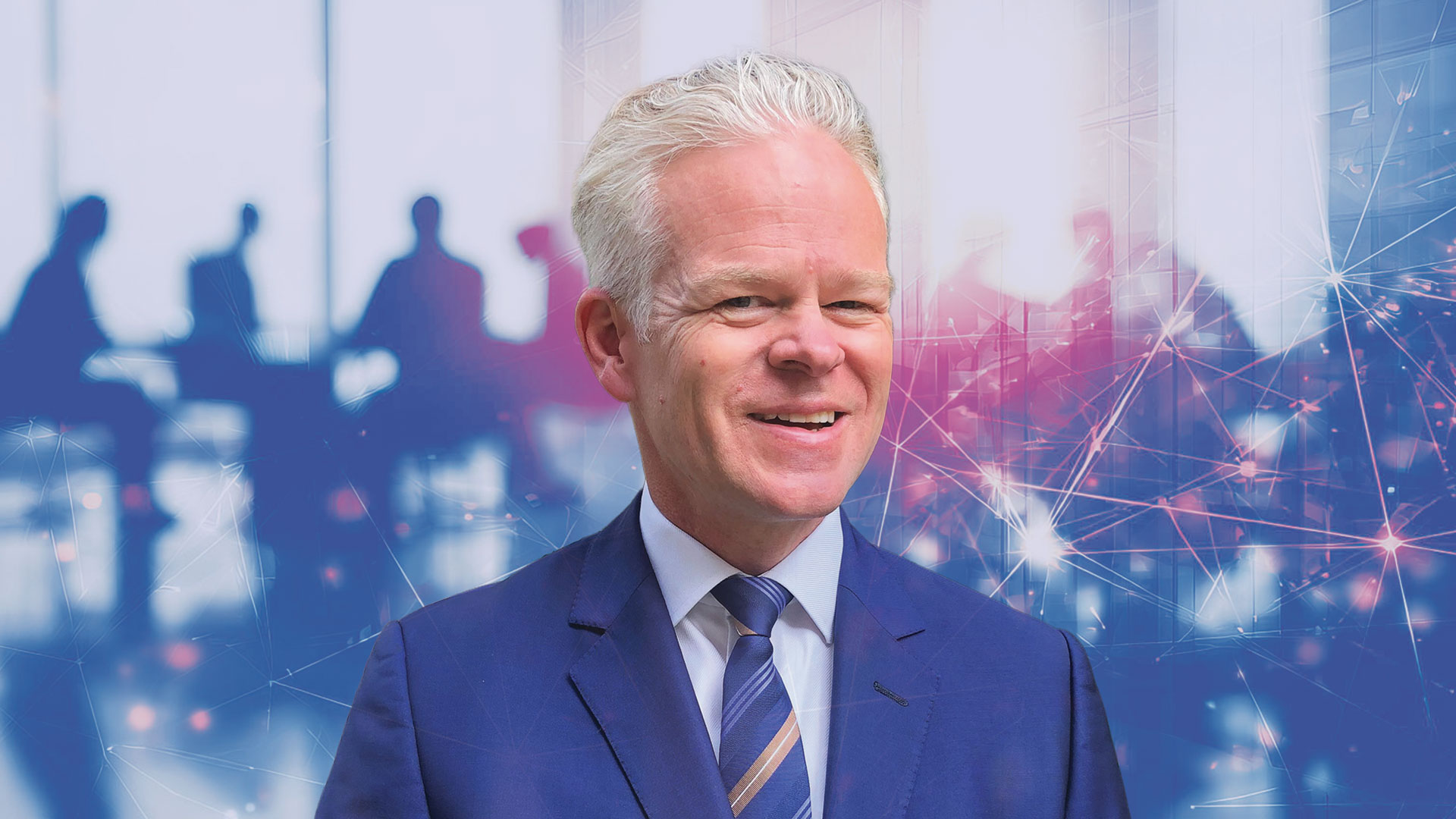
“For much of the past decade, the GCC’s residential and hospitality story has been dominated by luxury, with branded residences, five-star hotels and increasingly ambitious mixed-use developments helping cities like Dubai, Abu Dhabi and Riyadh stake their claim on the global investment map,” said Zacky Sajjad, Cavendish Maxwell’s director of business development and client relations. “The next 10 years are likely to see a shift towards co-living across several concepts, with market fundamentals underscoring the demand.”
Cavendish Maxwell further points out that as populations are growing and becoming more diverse, governments across the region are looking to grow tourism, expand universities and increase home ownership. This means real estate investors and developers must in turn consider how they can create a diverse range of alternative living concepts in response to the changing demographics.
The GCC will work to adapt international models – such as coliving in London and senior living in the United States – into the region’s context. Cavendish Maxwell also believes that developing coliving through purpose-designed communal spaces and amenities, especially in Dubai, could provide a stronger sense of community, especially among young professionals.
“The GCC has a golden opportunity to create its own versions, drawing on one of the region’s greatest strengths – hospitality,” Sajjad said. “The result could be a new generation of hospitality-led living concepts sitting somewhere between traditional residential and hotel accommodation and responding to how people increasingly want and need to live.”
Highlights:
- Student accommodation and senior living are emerging as key residential asset classes in the GCC, alongside serviced living, coliving, private clubs and shared ownership, according to Cavendish Maxwell
- The GCC residential market is expected to shift beyond luxury developments over the next decade, with growing and increasingly diverse populations driving demand for alternative living concepts
- Governments across the GCC are expanding tourism, universities and home ownership, creating new opportunities for real estate developers and investors to diversify residential and hospitality offerings
- International living models could be adapted for GCC markets, including London-style coliving and US senior living, with purpose-built communal spaces and amenities potentially supporting stronger communities among young professionals
- Hospitality-led living could become a defining GCC real estate model, combining elements of traditional residential and hotel accommodation to meet changing preferences for how people live