



 :
:


Gareth Smith of Rubberdesk looks at the renaissance of workplace events, and how flex spaces are leading the charge.
Workplace events used to be part of regular city life. Team lunches, creative workshops, Friday drinks. These were all part of accepted and celebrated urban work culture. It was part of the draw of working in the city.
But then COVID hit. And all that stopped.
Offices emptied and the rituals and routines we once enjoyed fell to the wayside. Remote work, though it had many benefits, created a culture of isolation around work. Burnout and loneliness were reported at an all-time high.
But now, quietly and determinedly, workspace events are making a big comeback. Though, not in traditional offices. Instead, work events are thriving in flexible workspace.
Why this is particularly important in urban areas
In 2024, approximately 3.1 million people in England reported often feeling lonely. And that level of loneliness was higher in more urbanized areas. In a world where people are feeling increasingly disconnected, it’s becoming more and more important to find ways to bring people together. The social element of working in a big city, for example, was partially lost during the pandemic, and now, workspace events are slowly claiming back that sense of togetherness and collaboration.
Though urban spaces are often busy and filled with people, the sheer number can lead to a sense of anonymity. People can feel a bit lost in the crowd, making it difficult to form meaningful connections.
And of course, in a time when the line between work and life is blurring, we expect more from our work – we often expect it to fulfil us in a variety of ways, including a sense of social belonging.
The business case for work events
But the benefits of workplace events don’t stop at a personal level. Because if employees feel socially fulfilled, connected and inspired, they produce better outcomes. Workplace events are a fantastic way of attracting and retaining talent in a world looking for community and celebration.
Networking is also a large part of events. They allow businesses to connect with other organisations in one environment and form partnerships and find opportunities that might otherwise go unknown and unnoticed.
Why flex space?
Flexible workspace is reshaping how we bring people together to work, collaborate and connect. They’re more than just places with desks, Wi-Fi and plug sockets. They’re designed to meet newly evolved worker needs, offering environments that blend productivity, creativity and connection.
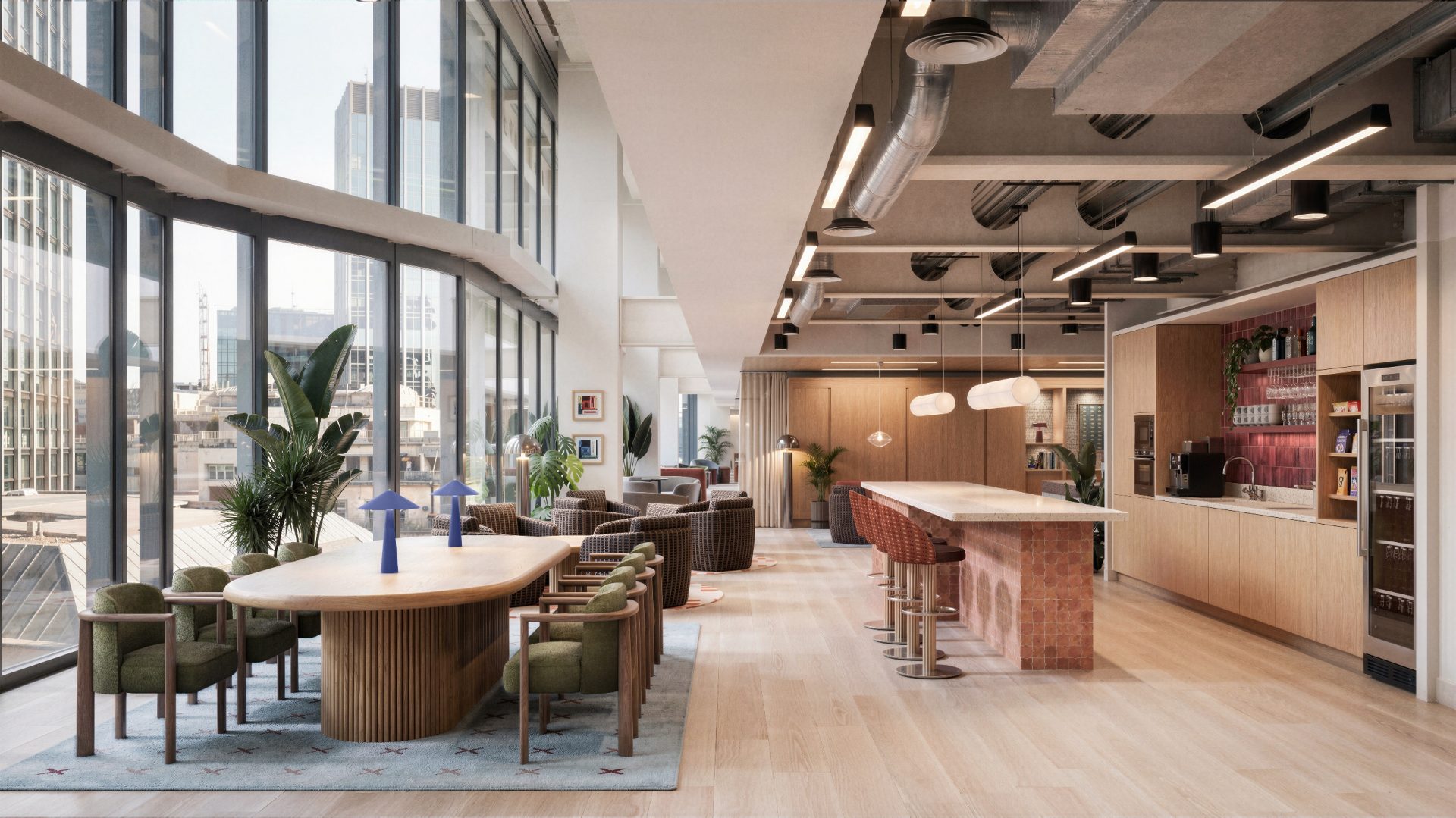
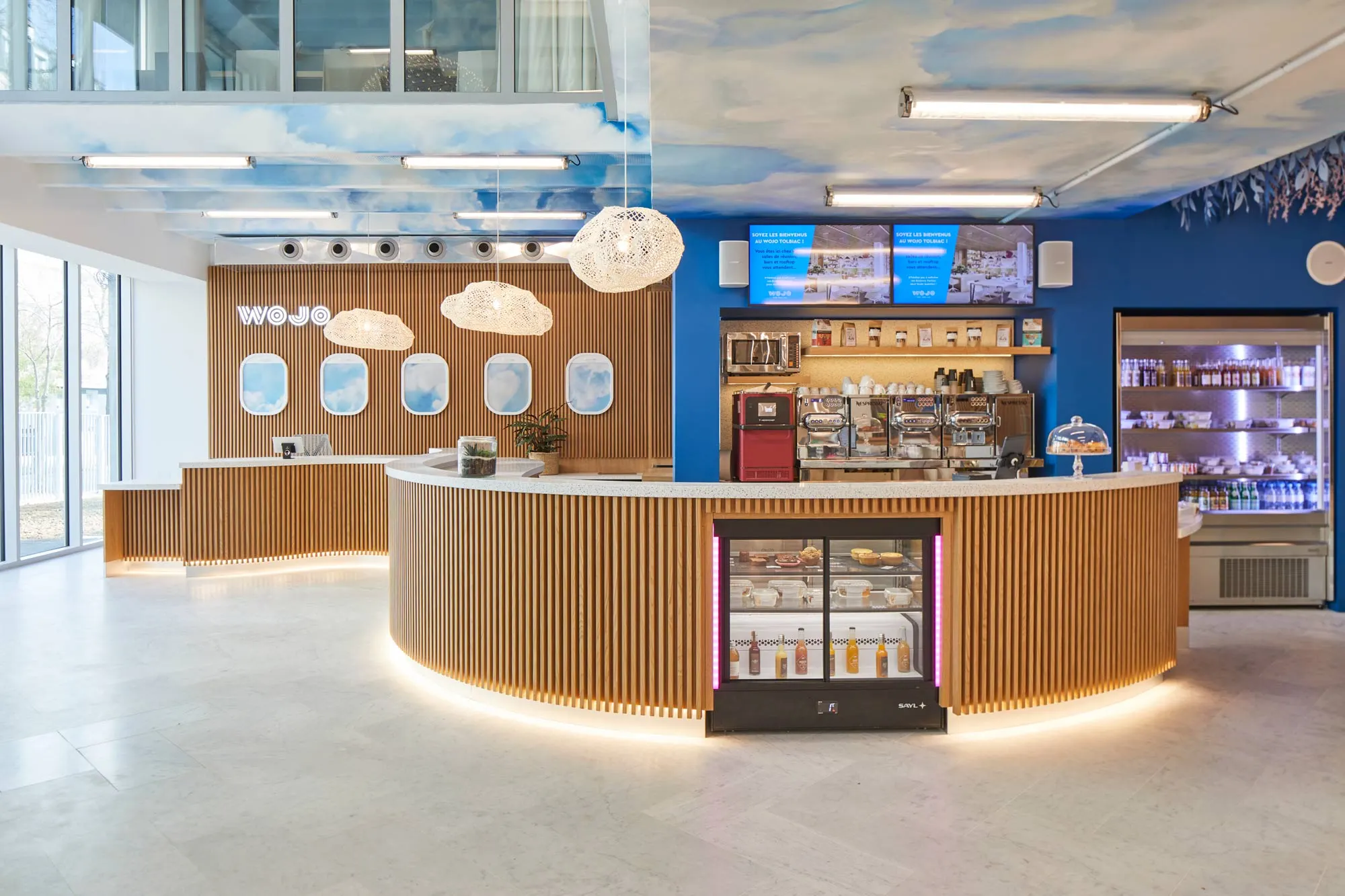
Flexible workspaces layouts mean ample shared space for interaction and collaboration. From rooftop terraces to lounge spaces and coffee counters, flexible workspaces are filled with opportunities to gather.
The adaptability of flexible workspace makes them idea for hosting events. Whether organisations want something more structured like a workshop, or something more casual over lunch, flexible workspace can provide aesthetic and inviting spaces for a variety of occasions and activities.
They’re also usually tech savvy spaces well situated for ease of access which can be incredibly helpful when hosting events.
And there’s a business case too. Flex spaces can host events and gatherings without the overhead costs of traditional venues. Flex space is as much about hospitality as it is physical workspace. They take managing the space, events and meetings off your hands and let you focus on doing business.For small and medium sized teams of up to 20 staff, they may not have someone who can arrange an event – but to have that taken off your hands is a real bonus. And of course, if you’ve ever hosted an event you know that the worry of “will enough people come?” For smaller teams that’s not a problem as the event is run by others – so if none, some or all your team turn up for breakfast – it’s not wasted!
The flex space events leading the charge
One example of this revival is TechSpace’s Thursday Cocktails. This weekly gathering has become a ritual that brings teams together to unwind, connect, and celebrate the week’s wins.
Other flexible workspaces are embracing similar approaches to foster connection and culture. SpaceMade hosts weekly events ranging from massages and themed food lunches to communal jigsaw puzzles. Fora offers wellness sessions and member drinks to promote wellbeing and interaction. Business Environment Group rolls out a Friday Beer Trolley, adding a fun end-of-week moment for teams. And at Creo, Pizza Thursdays bring people together over a shared love of food.
When organisations join flexible workspaces, these kinds of events offer more than just physical space, they create opportunities for connection.
The future of work
The revival of workplace events runs deep. It’s a reflection om the shift in how businesses view their people and spaces, as well as how we as people crave a sense of community, connection and culture. And we now understand that meaningful relationships and shared experiences are essential to employee engagement and long-term success.
All the while, flexible workspaces are quietly becoming the backbone of this transformation. Across cities in the UK, these spaces are enabling companies to reimagine how and where work happens. They offer the agility needed to host interesting events, encourage collaboration, and support hybrid teams, all while nurturing a sense of belonging. As the lines between work and life continue to blur, flex spaces are actively shaping change.