

 :
:


UK: This was the year that the UK Real Estate Investment and Infrastructure Forum (UKREiiF 2026), held from May 19 to 21 at the Royal Armouries and New Dock in Leeds, put itself firmly on the living sector map.
Drawing more than 16,000 attendees, including institutional investors, private developers, and local government leaders, the event featured a much-improved range of living sector content, encompassing BTR, SFR, coliving, PBSA and later living.
At the forefront was the Housed podcast team – Dan Smith, Sarah Canning and Deenie Lee – who provided a well-curated and well-attended three days of sessions at the heart of the event.
There was a huge range of fringe and off-site events too. ULN was a co-sponsor, along with Loft, VervLife, Investor in Students and NSP security, of a networking, learning and social event which featured panels on coliving, BTR, PBSA and more. I enjoyed hosting a panel session about coliving’s secret sauce with Reza Merchant of &Soul, Rocco Archidiacono of VervLife, Lee Layton of Block RE and Ronak Rawal of GAA Living. Key takeaways included the need to incorporate character and soul in coliving developments as the sector scales up and becomes more institutionalised, and that the sector is set to capitalise on the viability issues facing multifamily BTR.
A recurrent theme of UKREiiF was the dismantling of traditional operational silos. Investors and developers increasingly view living sector asset classes not as disparates, but as a fluid, interconnected lifecycle ecosystem. The blurred lines conversation around shared living went up a gear this year. There is a visible push toward blended, flexible assets that transition from student accommodation into young professional coliving space depending on seasonal demand or local economic cycles.
Research presented by The Class Foundation and data from Newcastle’s Intergenerational Living Lab revealed that blending PBSA, young-professional BTR, and later living into single masterplans reduces resident feelings of loneliness and depression by up to 40 per cent, while vastly improving cognitive health outcomes for older demographics.
Despite overwhelming social evidence supporting multi-generational, blended schemes, a major hurdle remains: European capital is still underwritten in rigid silos. Institutional funds are typically partitioned specifically for PBSA or senior living, meaning underwriting models have yet to catch up with the multi-tenure design realities on the ground.
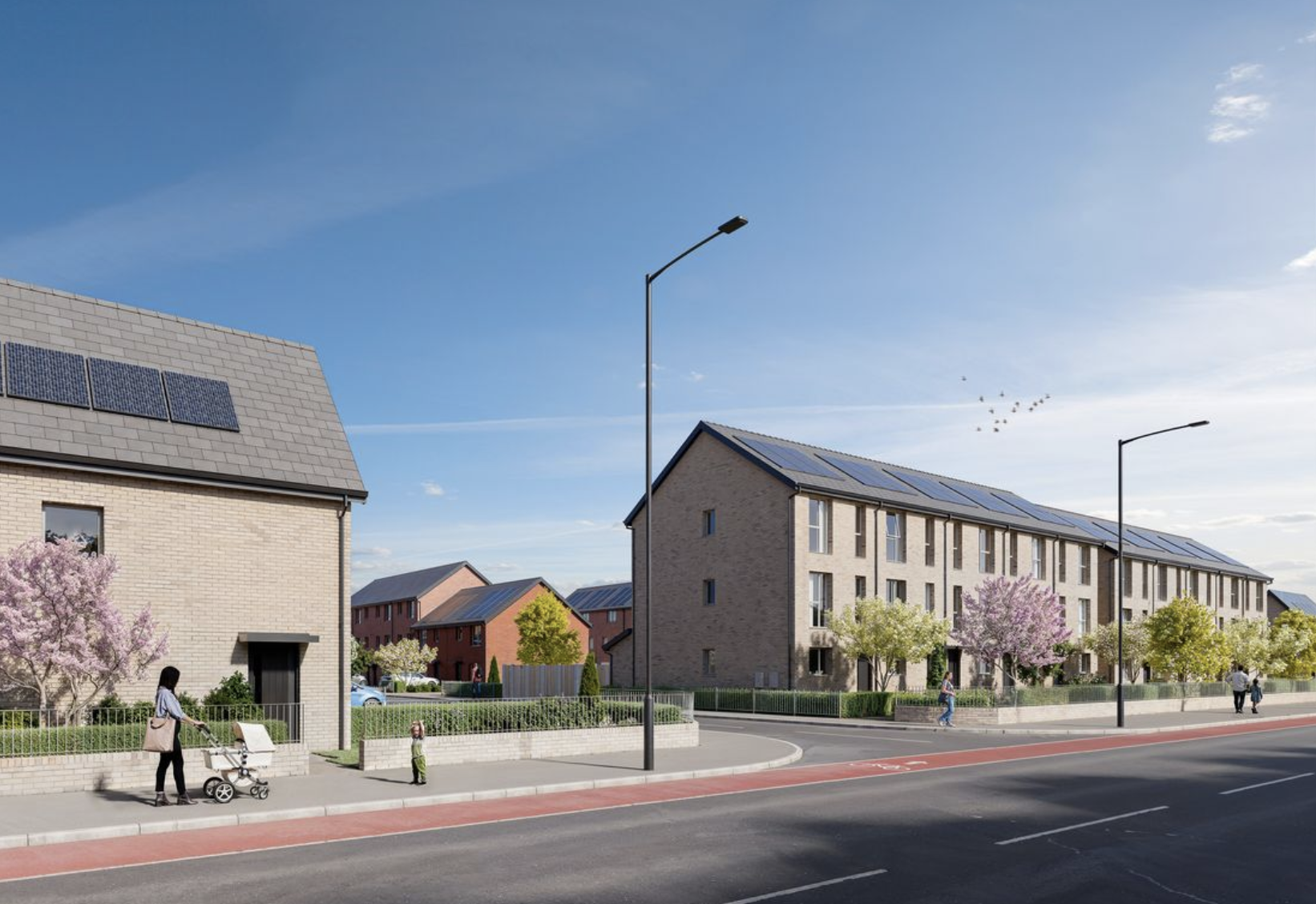
The move towards a defined model for SFR was one of the most heavily debated topics, notably at sessions hosted in the Bidwells Pavilion. The macro metrics shared were eye opening: by 2025, half of all UK build-to-rent investment had flowed into single-family suburban housing, compared to just five per cent three years prior. This capital pivot is being driven by the complexities of the Building Safety Act, spiralling urban construction costs, and the defence against inflation provided by suburban tenancies.
However, industry leaders such as Packaged Living and Thriving Investments noted that the UK still hasn’t settled on a unified SFR operational model. With only around 15,000 operational homes nationwide, the exit market remains thin. The sector is grappling with structural friction between volume housebuilders and institutional funds.
Despite man positive discussions, among lenders and investors there was talk of 2026 being another ‘lost year’ as deals and transactions are continually pushed back. One lender told me he thought that if the Strait of Hormuz isn’t open by the end of June, a whole tranche of potential deals will be put back to the autumn or even later.
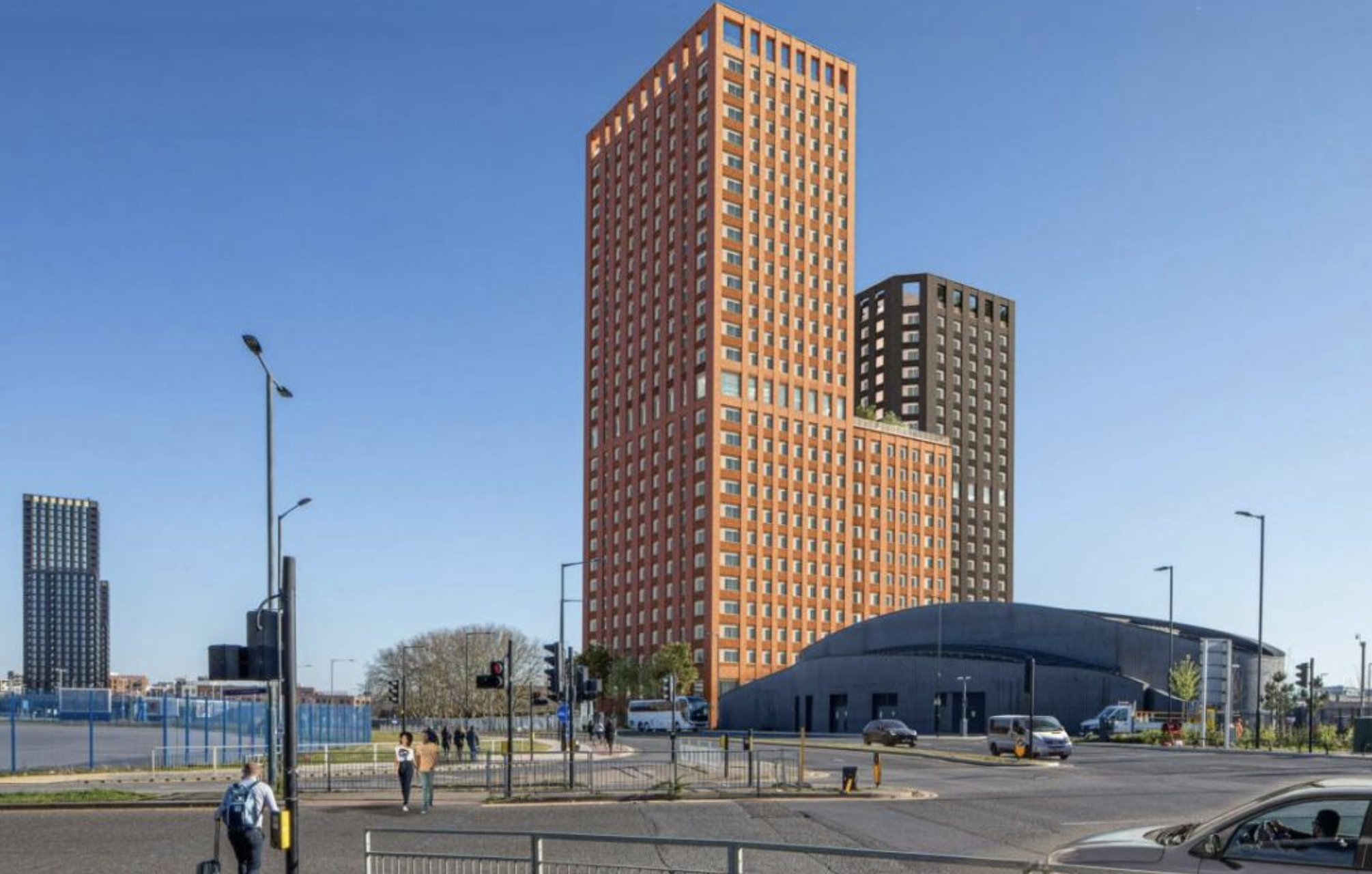
In terms of news announcements, Homes England unveiled a £16 million funding injection to unlock infrastructure and accelerate the delivery of Leeds South Village (part of the wider Leeds South Bank regeneration scheme). This brownfield development will deliver around 1,925 new homes and is poised to become a flagship, multi-tenure living hub with significant BTR and coliving components.
The National Residential Landlords Association (NRLA), in partnership with real estate advisers Bidwells, has launched NRLA Living. The venture is designed to better support large portfolio landlords, build-to-rent (BTR) operators, investors, funders and associated professional services companies – alongside its core and growing membership.
This new offering, announced at UKREiiF, provides “high-quality market insights to help subscribers plan and manage their portfolios more effectively”. Its analysis means users can draw from clear, informed practical guidance on how they can equip themselves to maximise operational efficiency. NRLA Living’s services are designed for those landlords, investors, operators and businesses who oversee large, complex, scaling portfolios looking for ways to stay compliant with current regulations or optimise their operations.
UKREiiF has now firmly established itself as a must-attend for living sector professionals. Just make sure you book your accommodation early!
Highlights:
- Drawing more than 16,000 attendees, including institutional investors, private developers, and local government leaders, UKREiiF 2026 featured a much-improved range of living sector content, encompassing BTR, SFR, coliving, PBSA and later living
- A recurrent theme was the dismantling of traditional operational silos
- The move towards a defined model for SFR was one of the most heavily debated topics
- There is a visible push toward blended, flexible assets that transition from student accommodation into young professional coliving space depending on seasonal demand or local economic cycles